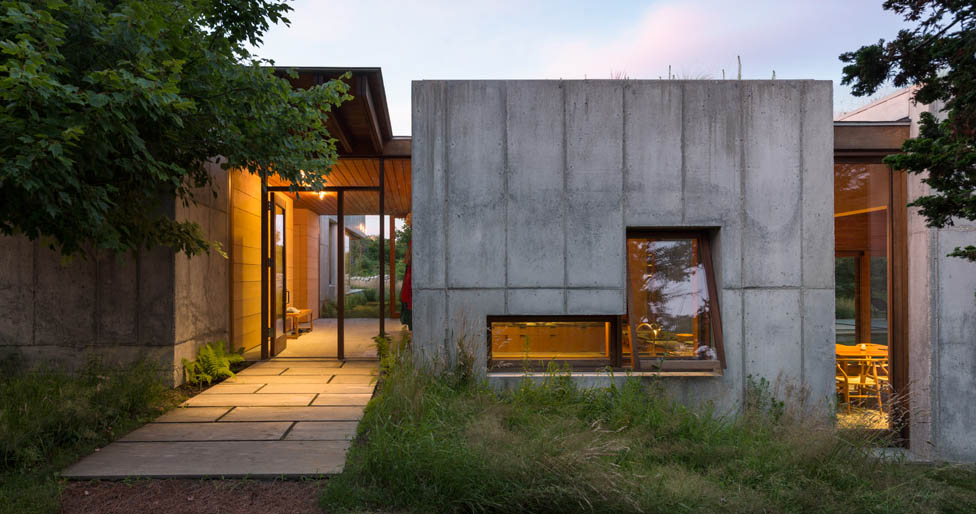

If you’re considering building your own house with concrete, you’re making a strong, durable, and energy-efficient choice. Concrete homes are growing in popularity thanks to their ability to withstand extreme weather, offer excellent insulation, and require less maintenance over time. But before you dive into DIY concrete house construction, there are a few critical things you need to know.
Here’s what every future builder should understand about concrete homes:
1. Different Types of Concrete Construction
Not all concrete homes are built the same way. You’ll need to choose the right system based on your budget, climate, and design goals:
- Poured-in-Place Concrete: Traditional method; concrete is poured into forms on site.
- ICF (Insulated Concrete Forms): Pre-formed panels filled with concrete, offering high insulation and fast installation.
- Precast Concrete Panels: Factory-made panels transported to your site for faster assembly.
Each method impacts your timeline, labor needs, and costs. If you're tackling DIY concrete construction, many owner-builders lean toward ICF homes because they’re easier to manage without heavy equipment.
2. Foundation Matters
Before you can pour walls or slabs, you need a proper foundation. Concrete needs a stable, well-drained base to avoid cracking and shifting:
- Soil testing is critical before you build.
- Grading and compacting the soil properly prevents future issues.
- Some sites may need a gravel base, vapor barriers, and rebar reinforcement.
Skipping foundation prep is the #1 mistake in DIY home building with concrete.
3. Concrete Mix Design
Concrete isn’t "one size fits all." Your mix needs to match your project:
- Compressive strength: Most residential walls use 3,000–4,000 PSI concrete.
- Additives: You may need air-entrainment for freeze-thaw climates or plasticizers for better flow.
- Curing time: Concrete takes about 28 days to fully cure, and needs proper moisture levels early on.
A ready-mix concrete supplier can customize a batch for your needs, which is critical if you're managing your own project.
4. Reinforcement is Key
Concrete is strong, but it handles compression better than tension. That’s why rebar or steel mesh reinforcement is essential:
- Rebar in walls, slabs, and footings prevents cracking.
- Placement and spacing must meet local building codes.
- Rust-protected or epoxy-coated rebar may be needed in wet climates.
Always plan reinforcement carefully when building a concrete home yourself.
5. Managing Cracking and Joints
Concrete cracks — it’s normal. Good planning can control where and how:
- Control joints are placed to guide cracking along pre-planned lines.
- Expansion joints allow for concrete movement with temperature changes.
- Improper curing, mix design, or base preparation can lead to random cracking.
Understanding this upfront can save you major headaches later.
6. Tools and Equipment You’ll Need
Building a concrete house is labor-intensive and equipment-heavy:
- Concrete mixer or pump (for bigger pours)
- Vibrators to remove air pockets
- Trowels, floats, screeds for finishing
- Formwork systems (reusable forms or ICF panels)
- Safety gear (gloves, boots, eyewear)
Renting heavy equipment or hiring help for key steps (like big pours) is often a smart move.
7. Permits and Building Codes
You can’t just start pouring concrete without legal clearance:
- Get proper permits for residential concrete construction.
- Follow local codes for rebar, wall thickness, insulation, and fire resistance.
- Schedule inspections at critical stages like foundation work, reinforcement placement, and final completion.
A well-documented build also helps with future resale and insurance.
8. Finishing and Insulating Your Concrete Home
Concrete walls can be beautiful, but most owners add finishes:
- Interior: Drywall, plaster, or decorative concrete treatments.
- Exterior: Stucco, brick veneer, or insulated panels.
- Insulation: Concrete alone isn’t enough. You’ll likely add foam board, spray foam, or other insulation solutions.
Finishing your DIY concrete house properly impacts energy efficiency and aesthetics.
9. Budgeting Realistically
Concrete homes cost differently than wood-frame homes:
- Materials can cost more upfront.
- Labor savings can be huge if you’re doing it yourself.
- Energy savings and lower maintenance make concrete a smart long-term investment.
Expect higher costs early and major savings later — especially in heating, cooling, and insurance.
10. When to Hire Help
Even if you want to build a concrete house yourself, it’s smart to bring in professionals for critical stages like:
- Structural engineering
- Big concrete pours
- Foundation work
- Roofing systems
Mixing DIY with expert help can make the dream of building your own concrete home possible — and successful.
Thinking about building your own concrete house in Spokane or nearby?
At Need Concrete Spokane, we offer expert guidance, high-quality materials, and trusted referrals to help your project succeed. Whether you're planning a poured concrete foundation or exploring ICF options, we're here to help you build strong from the ground up.